What Actually Happens During a Polished Concrete Job
From the first grind to the final seal, here's what the process really looks like and what it means for living in the house that week.
September 3, 2026 · 2 min read
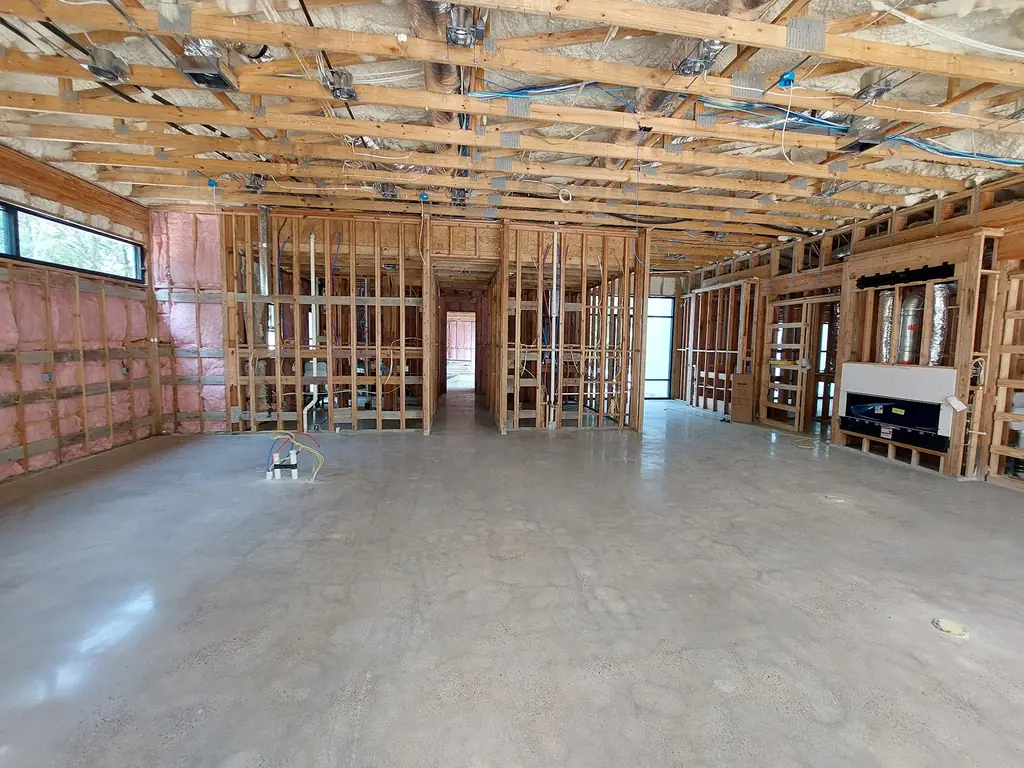
A lot of people picture polishing concrete as basically buffing a floor. It's a bigger job than that, with several distinct stages, and knowing what's coming makes the whole thing a lot less stressful, especially if you're staying in the house or running a business while it happens.
Step one: get down to the slab
If there's existing tile, carpet, vinyl, or old adhesive on top of the concrete, that has to come off first. This is its own service for us, floor demolition, because it's genuinely its own skill set. It means removing whatever's up there and prepping the slab underneath so it's ready for grinding, without tearing up more of the surrounding space than necessary. A clean demolition makes every step after it go faster and look better.
Step two: the grind sequence
This is the heart of the job. We run diamond-segmented tooling across the slab in a series of passes, starting coarse to remove any coatings, adhesive residue, and surface imperfections, then working through progressively finer grits. Each pass refines the surface a little more. If you want an exposed-aggregate look, that decision gets made early, because grinding deeper into the slab is what reveals the stone inside the concrete. If you want a smoother, more uniform look, we stay shallower. This stage is loud and it does produce dust, though a professional setup uses dust extraction equipment to pull most of it out of the air rather than letting it settle across the house.
Step three: densify
Once the slab is ground to the right stage, we apply a chemical densifier that reacts with the concrete and hardens the surface from within. This is what gives a polished floor its long-term durability, it's not just a cosmetic step. A densified slab resists staining and abrasion far better than raw concrete does.
Step four: polish and seal
From there we move through finer polishing steps to bring up the sheen you're after, whether that's a soft satin look or a high, mirror-like gloss. A sealer or guard goes on at the end to protect the surface and make daily cleaning easier.
What it's actually like to live through
- Expect noise during the grinding stages, most of it during the workday, not overnight
- A good crew runs dust extraction and cleans the worksite at the end of each day, not just at the end of the job
- Texas heat doesn't stop the work; we've completed jobs through 100-degree-plus stretches without missing the promised timeframe
- Commercial jobs often get scheduled around business hours or after close to minimize disruption
That last point matters to us. On a job a couple of summers back, we worked full days in serious heat and still left the site swept and cleaned every single evening, because a finished floor is only half of it. The other half is not being miserable while the work happens. If you're weighing a polishing project for your home or business, Kelley can walk the slab with you and give you a realistic sense of what your specific job will involve before anyone shows up with a grinder.
Mimcon LLC — (281) 787-5834
Call (281) 787-5834More articles
Polished Concrete or Epoxy? How to Choose the Right Floor
Mimcon installs both, so here's an honest, no-sales-pitch look at what each one is actually good for.
Ripping Out Old Tile or Carpet? Your Slab Might Already Be the Floor
Before you plan a full tear-out and new flooring, it's worth finding out what's actually underneath what you've got.